Seeds for Everyone

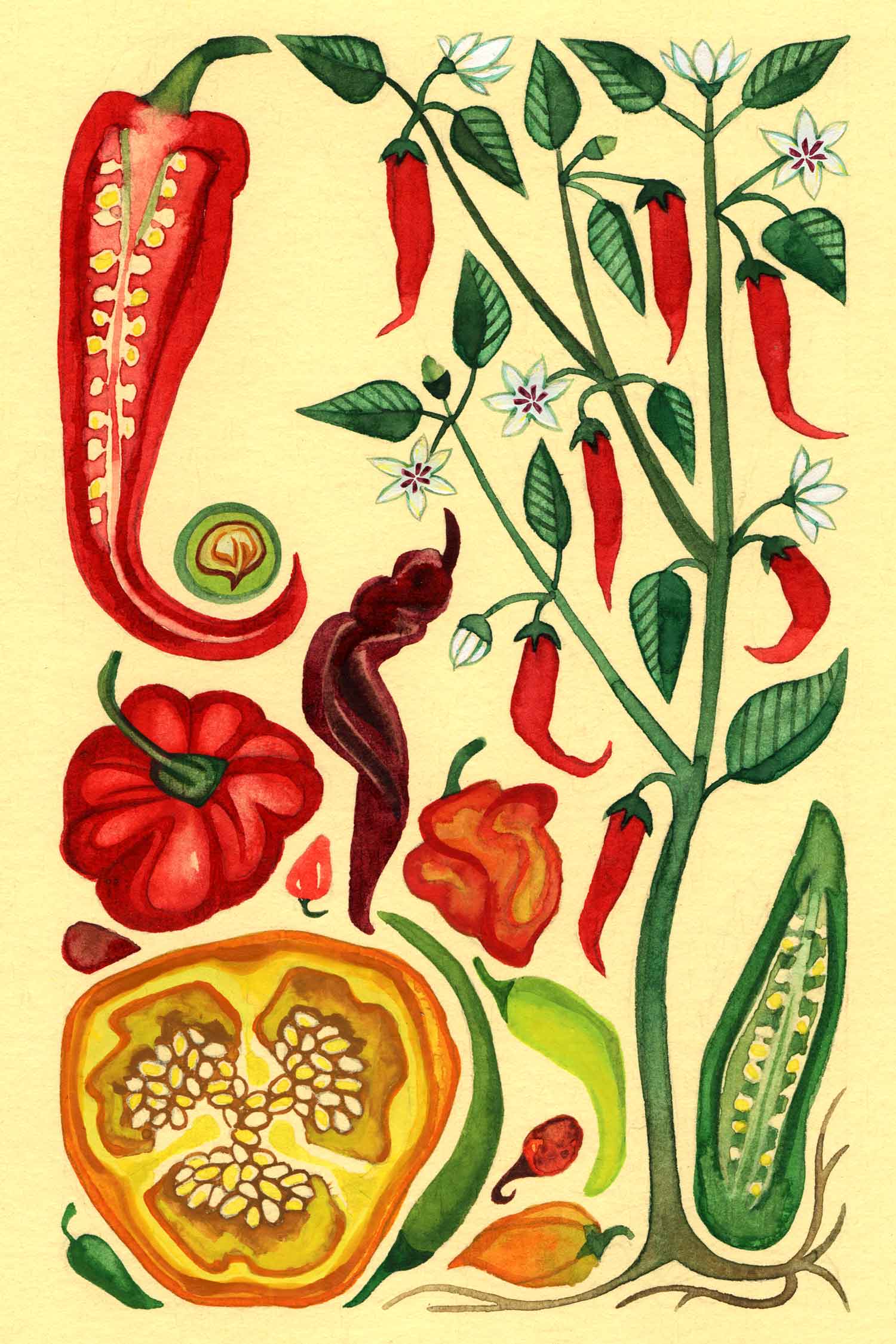
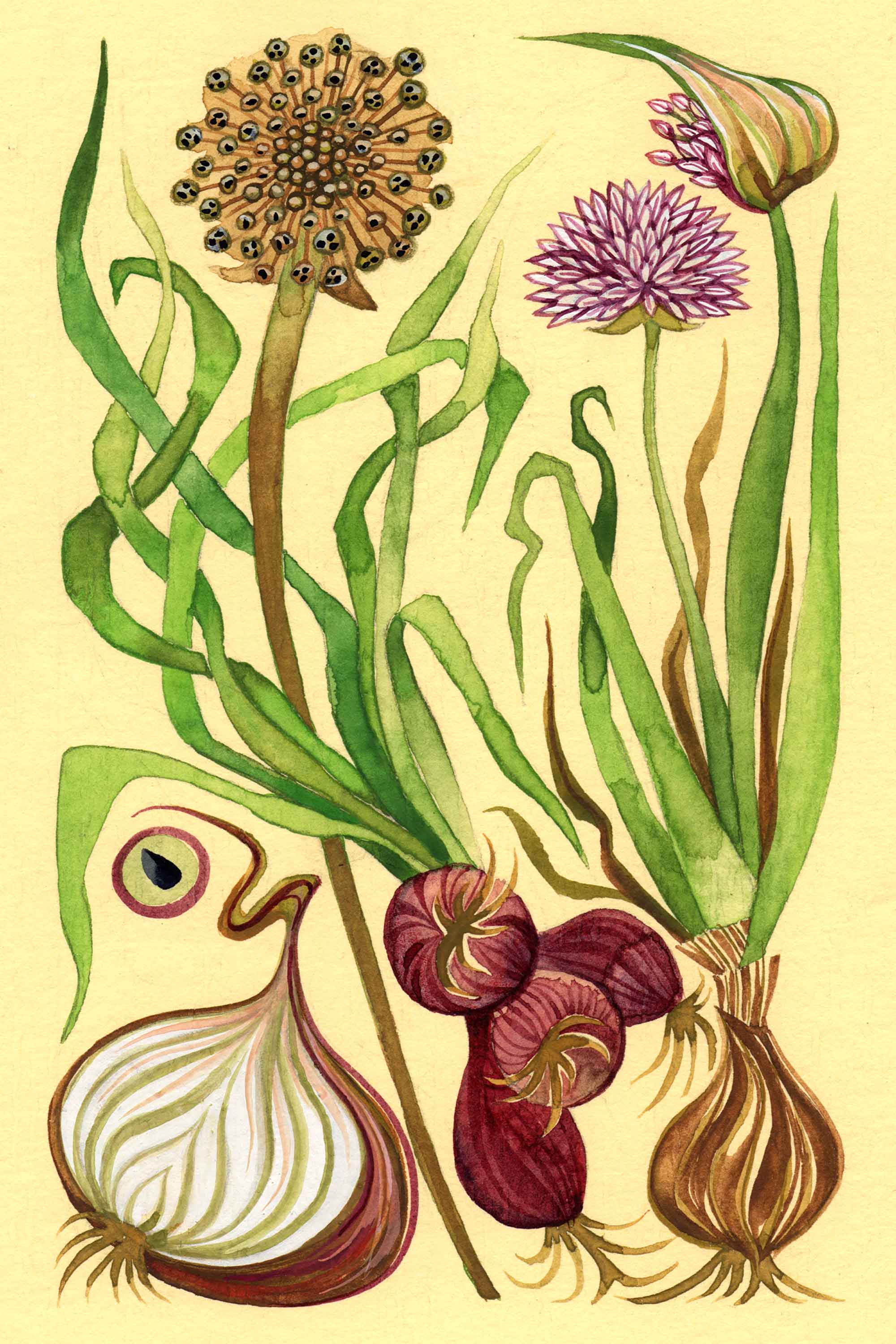
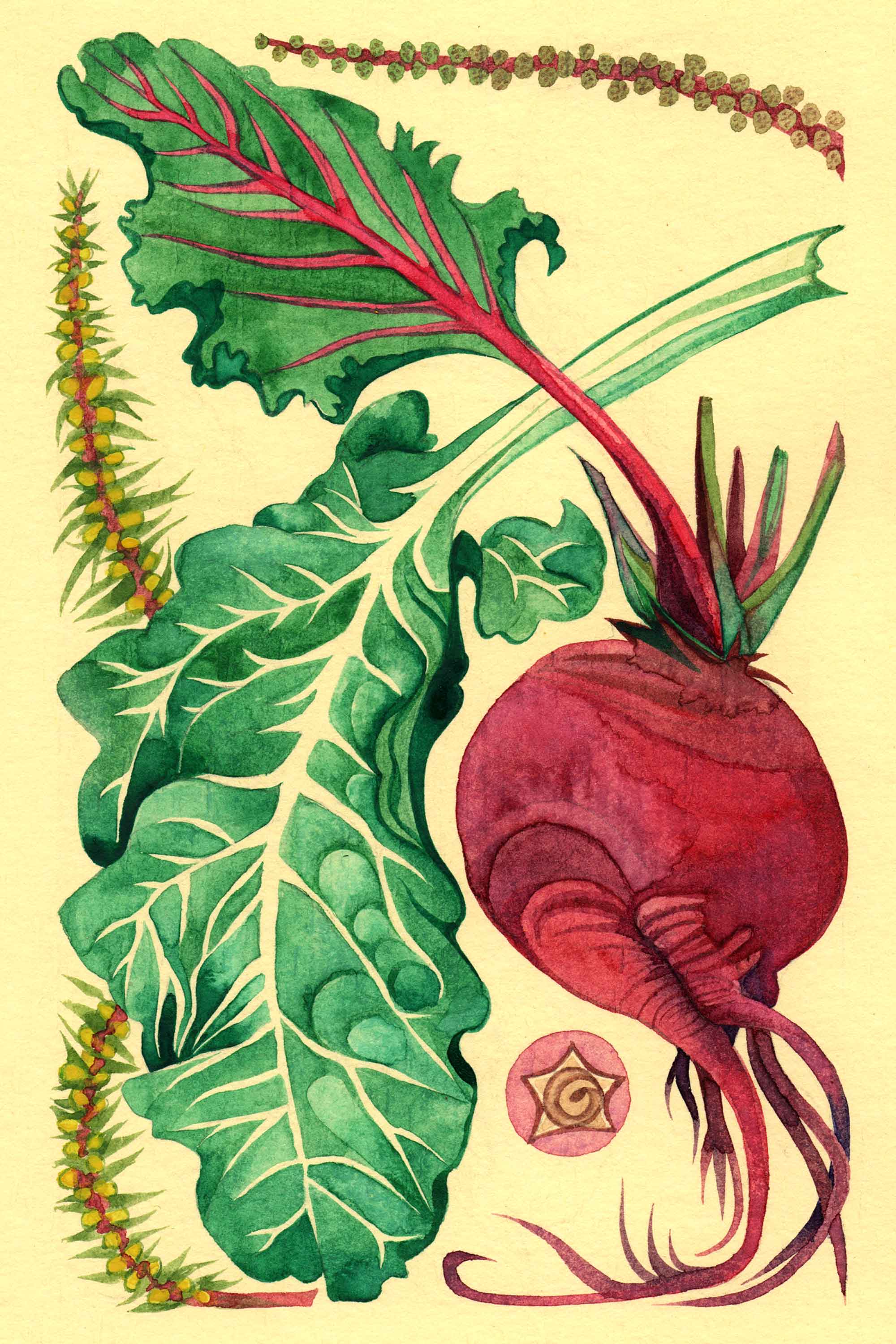
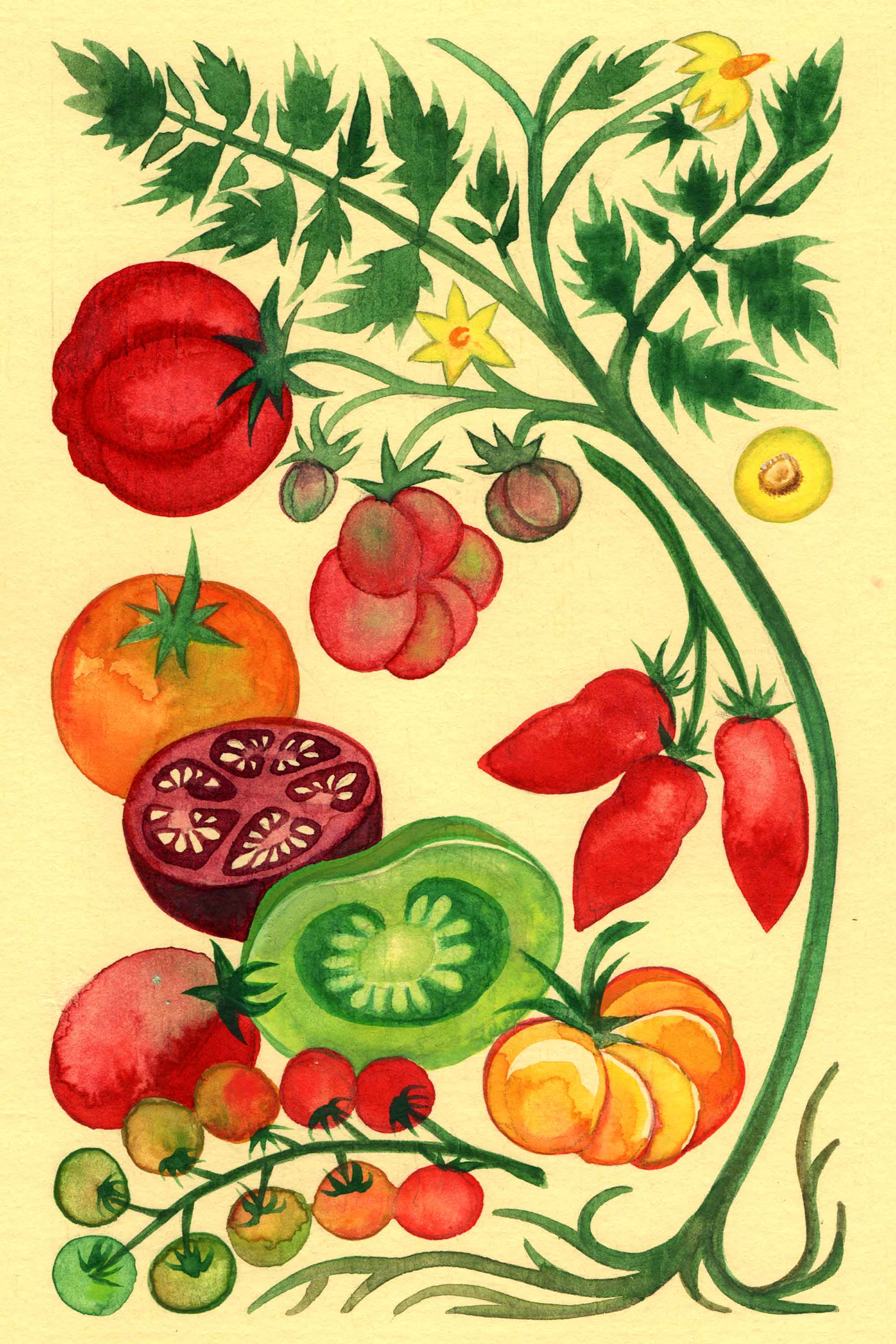
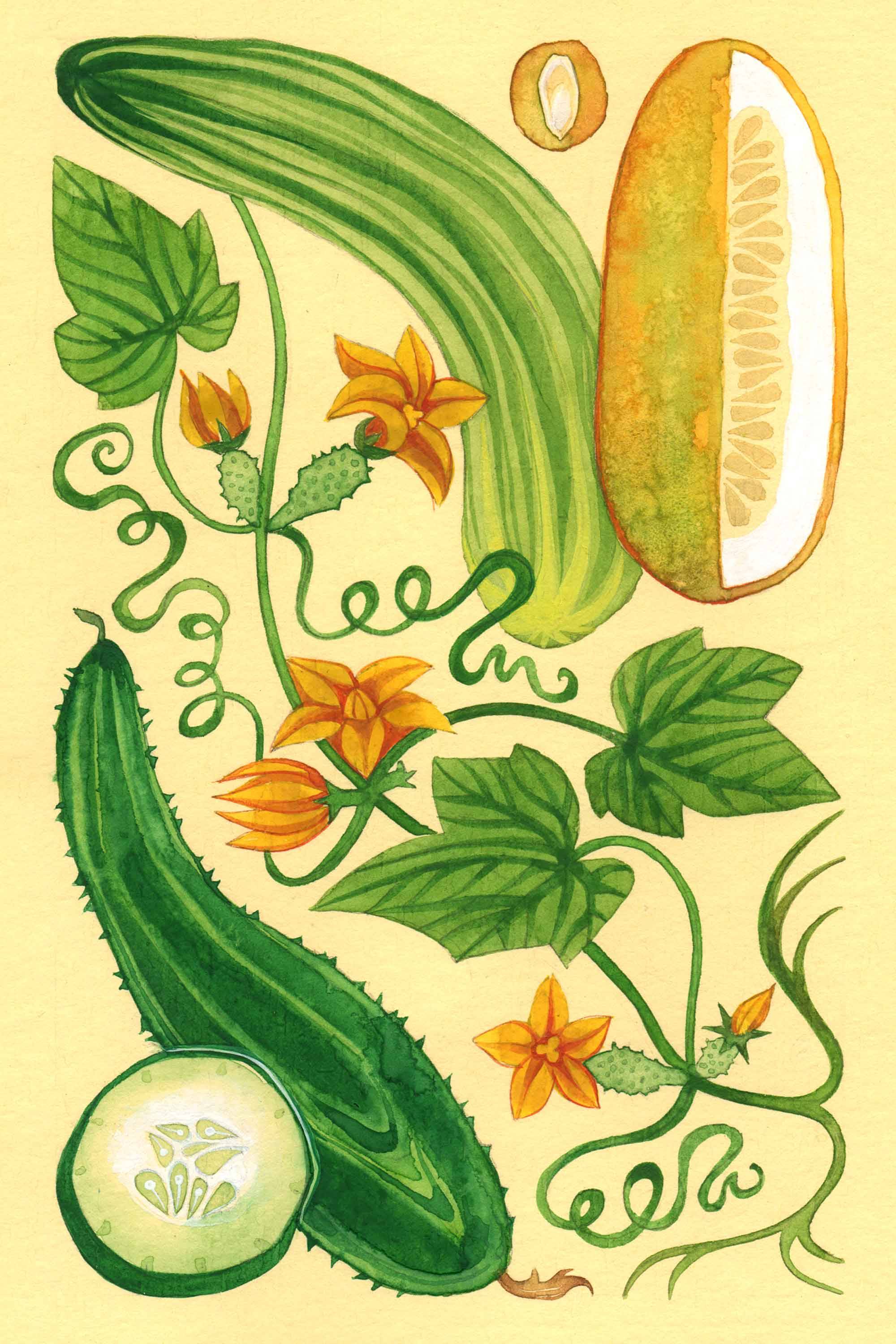
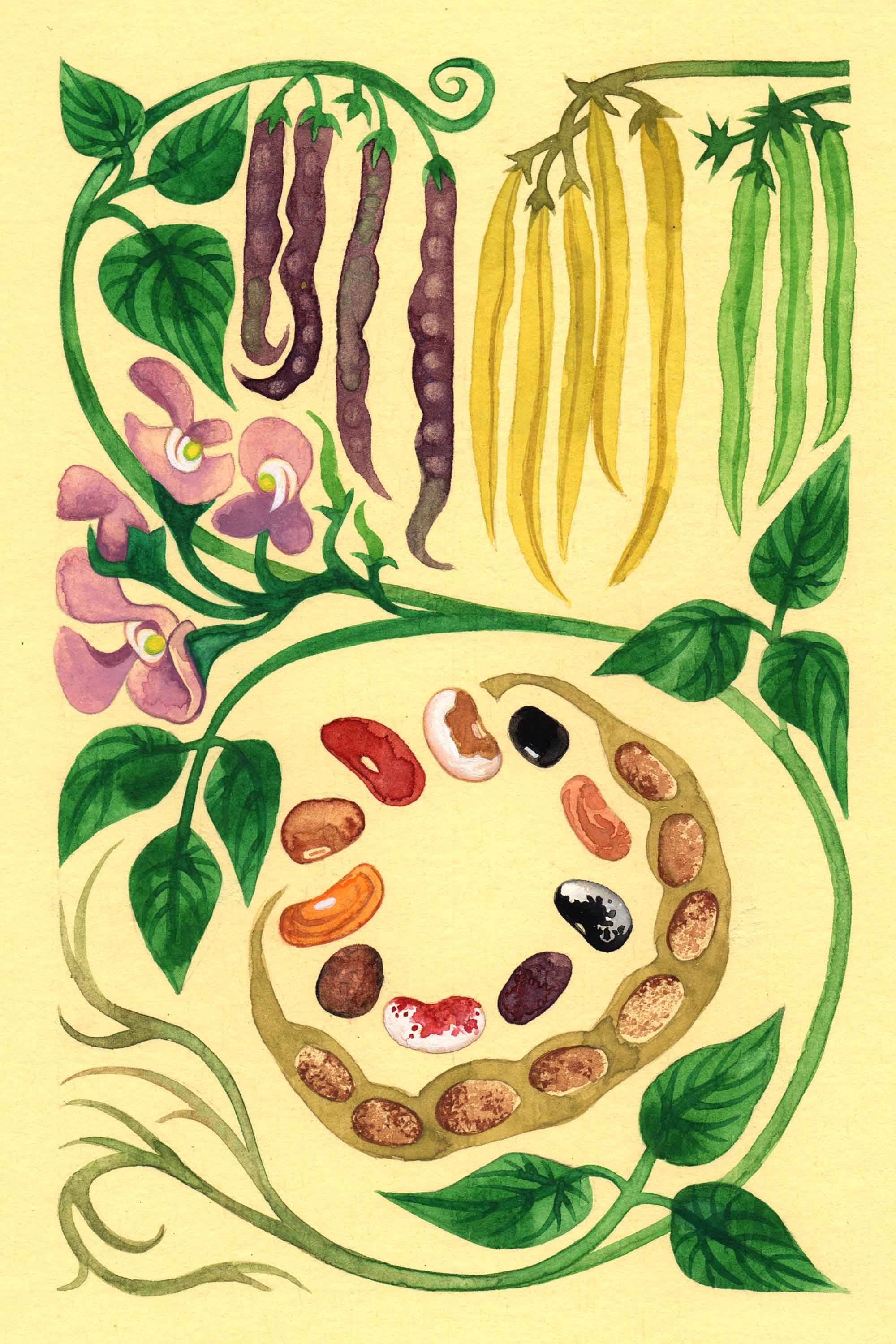
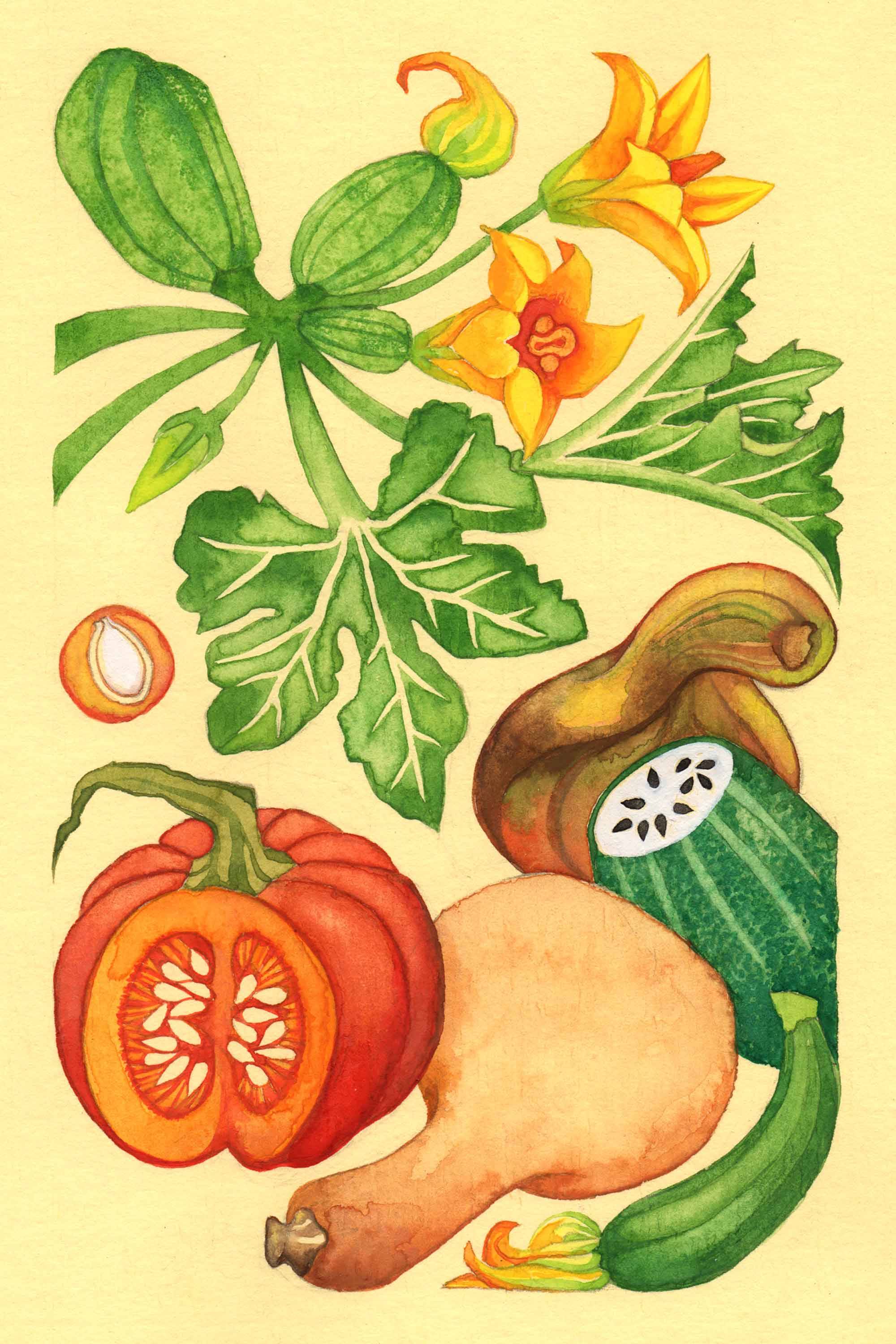
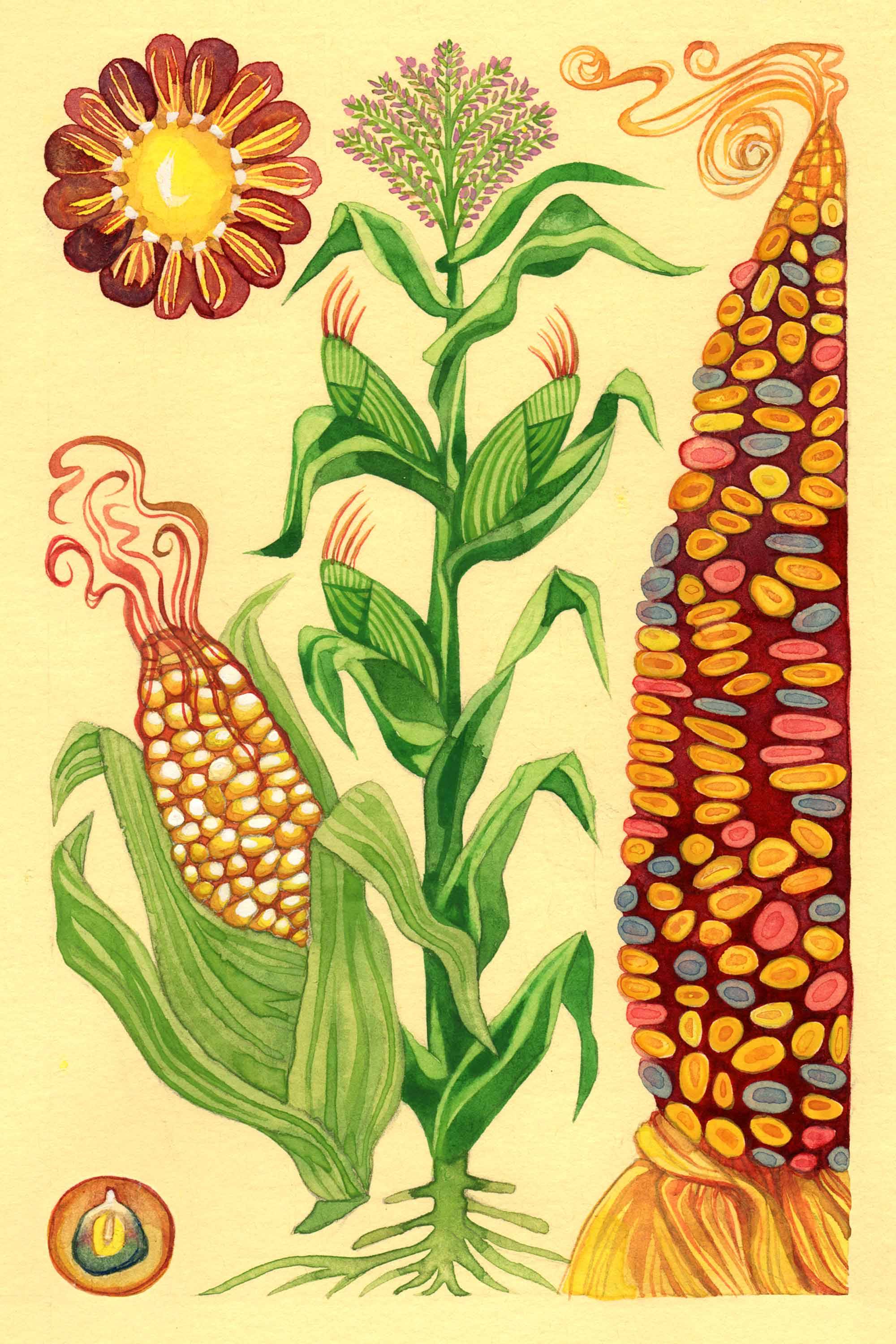
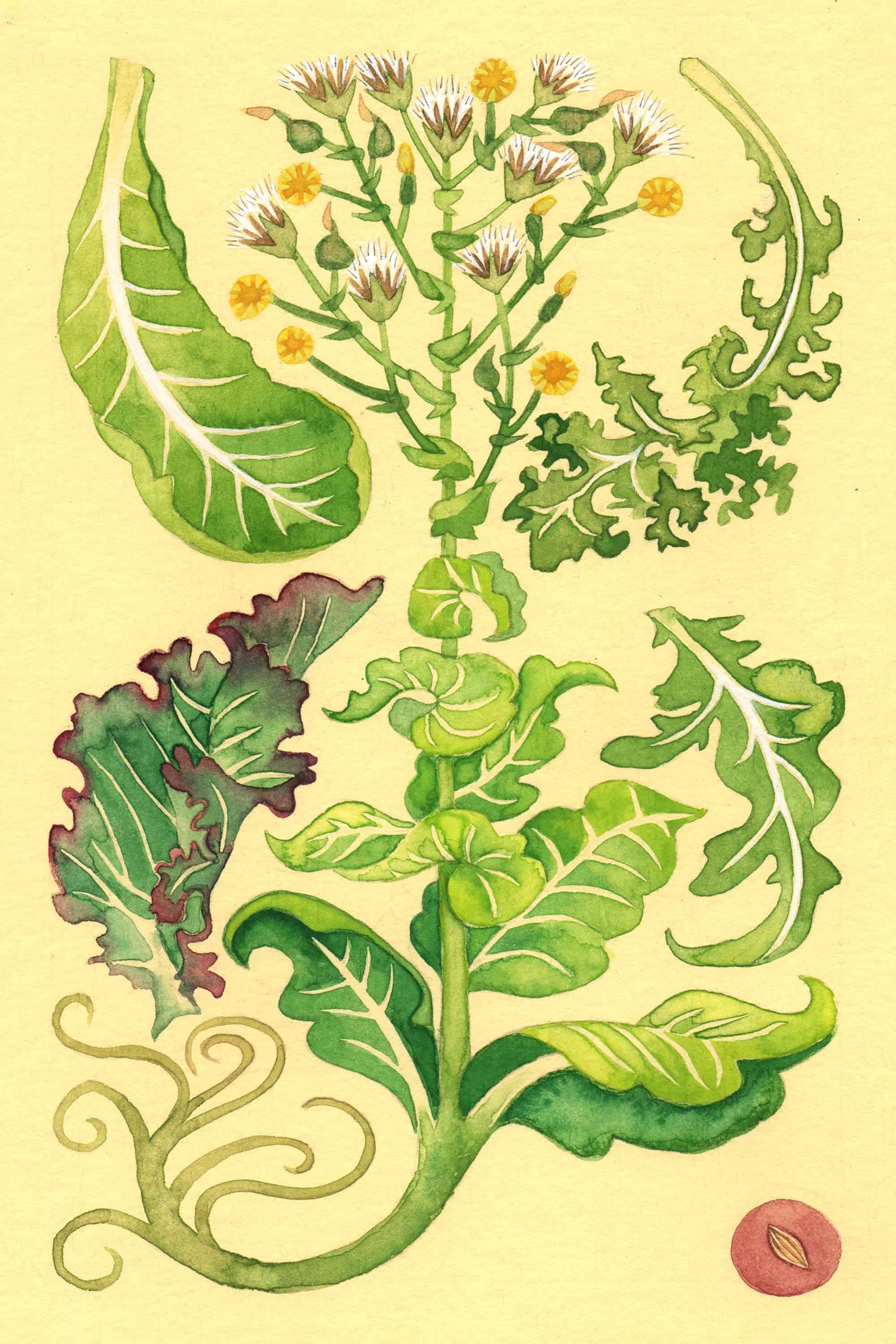
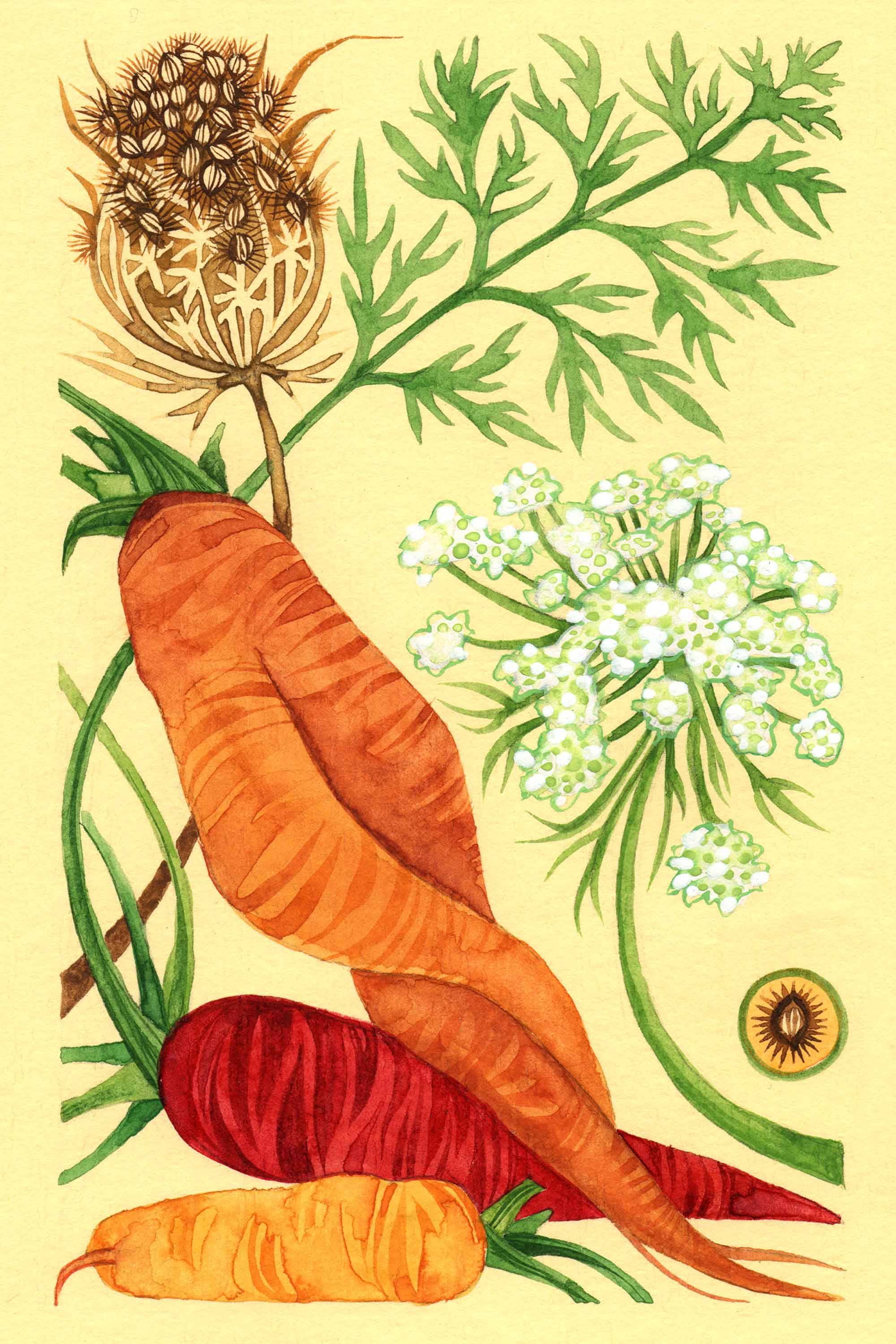
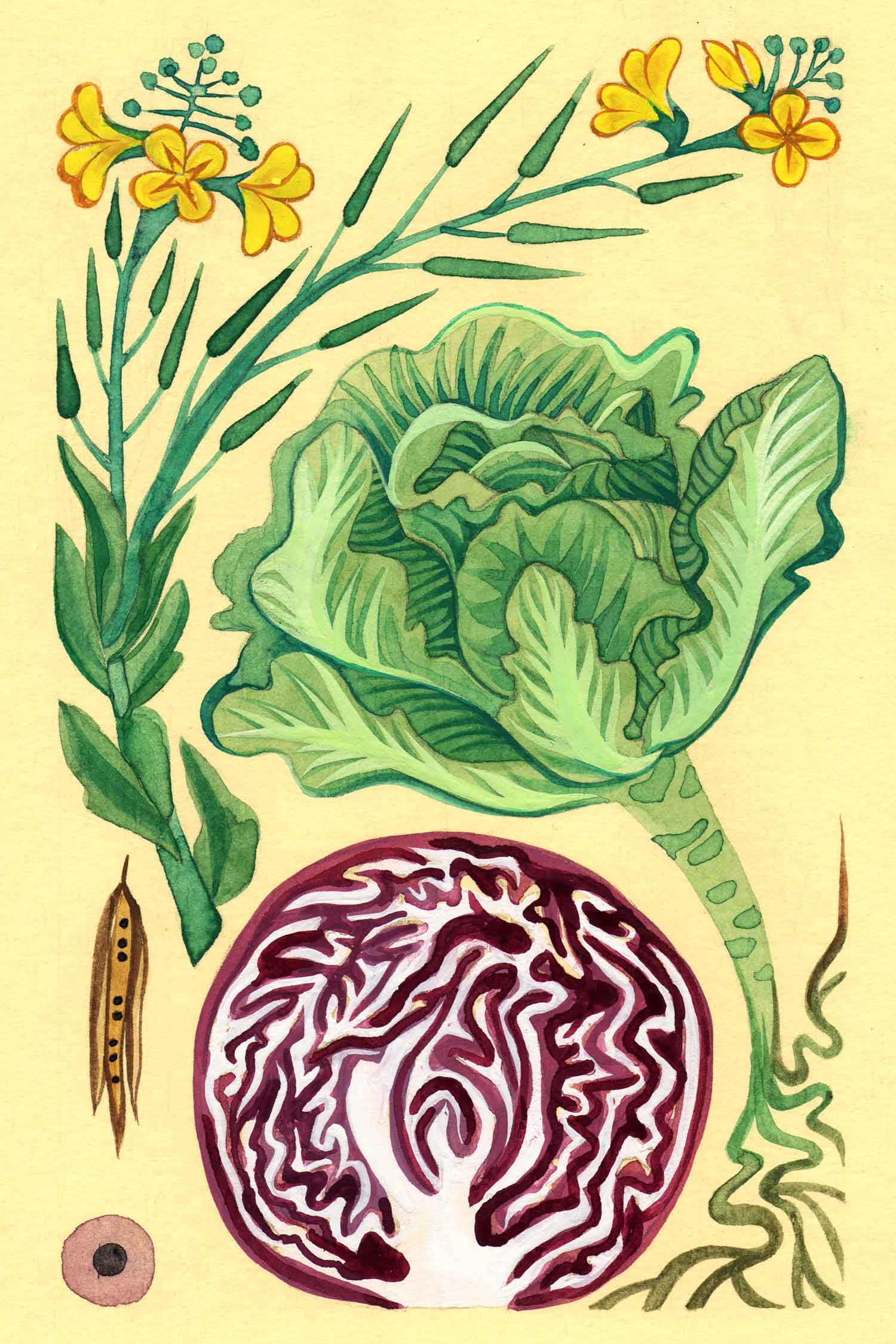
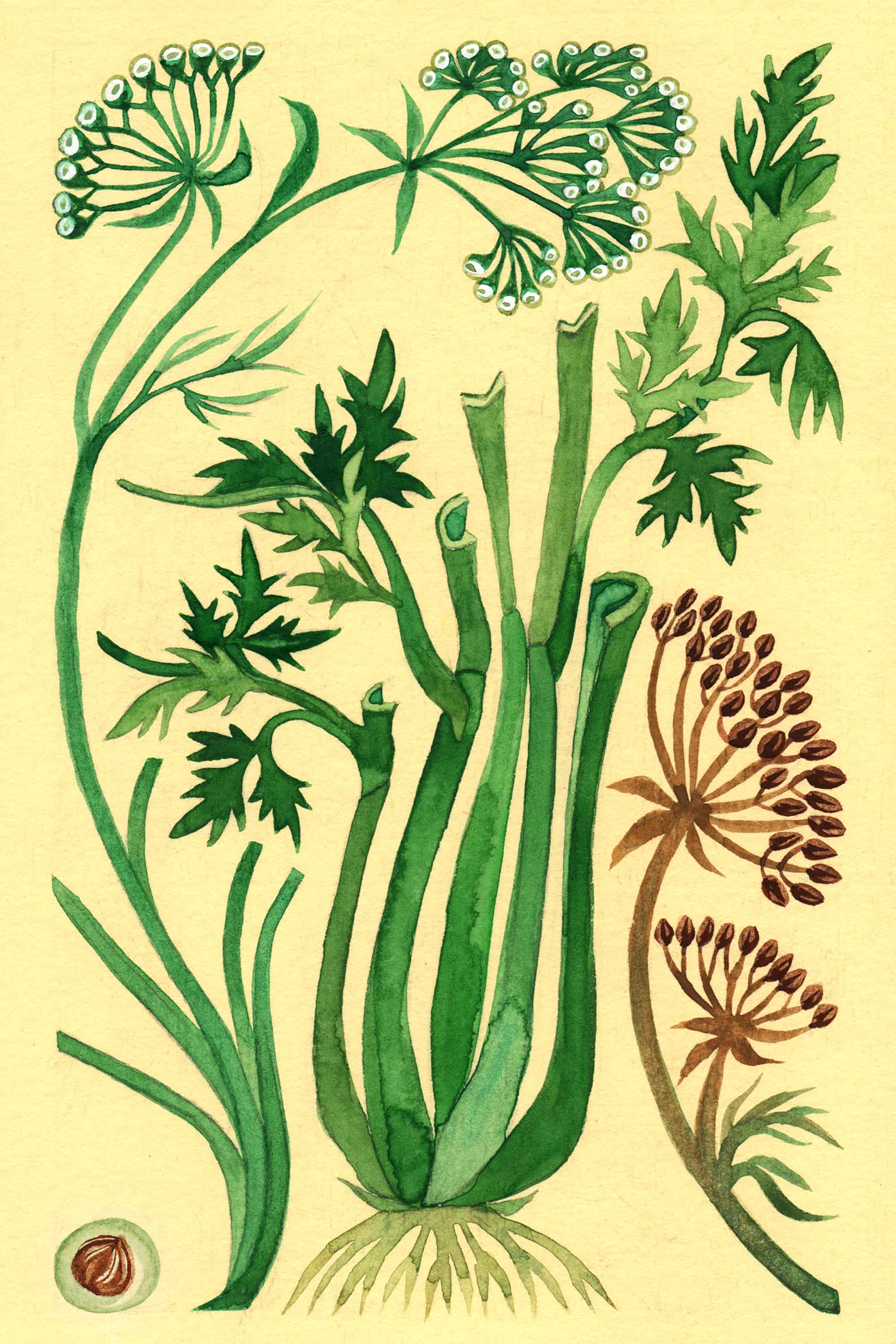
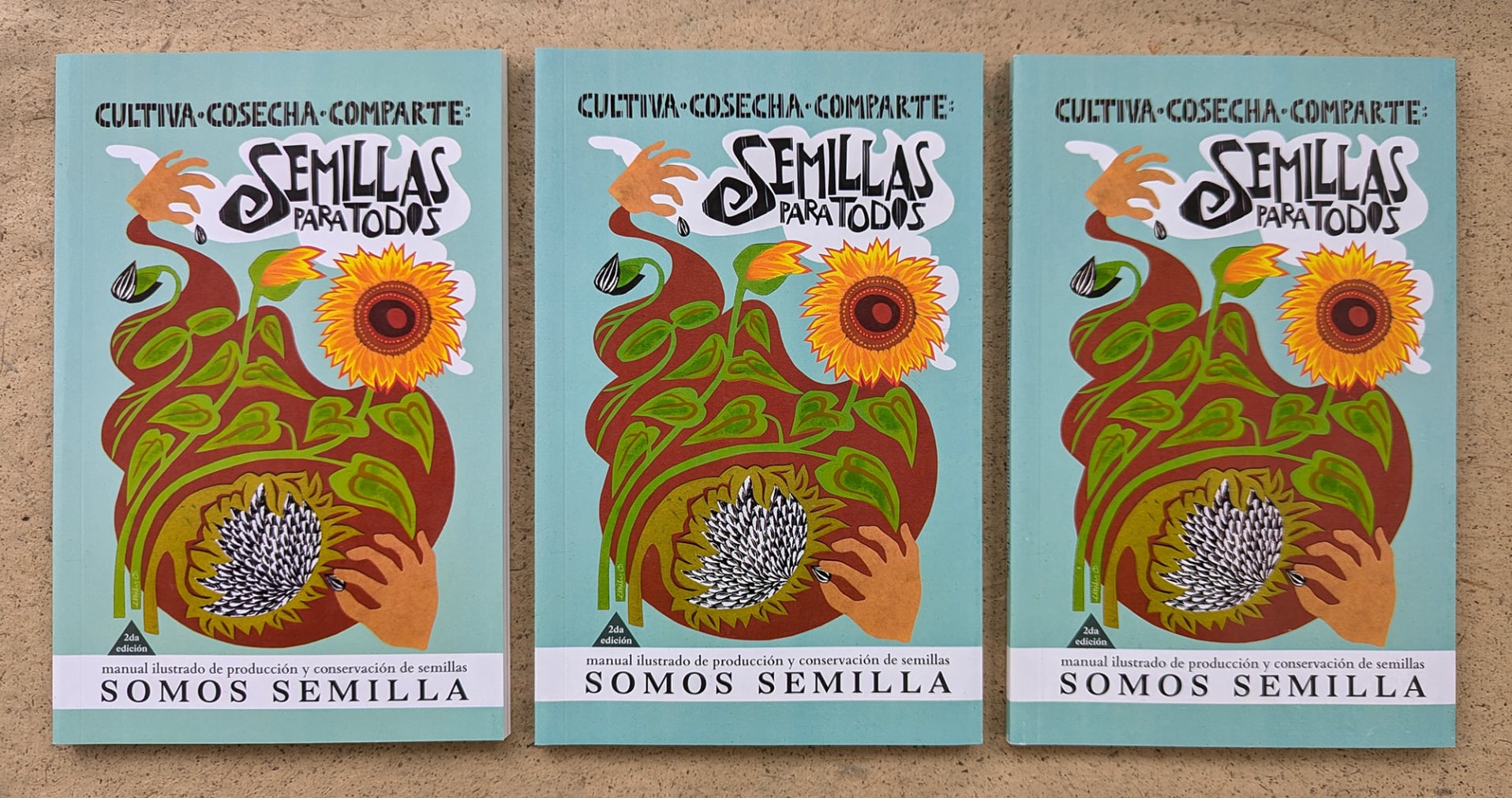
Seeds for Everyone ("Semillas Para Todxs" in Spanish) is the title of the seed saving manual created by the Somos Semilla seed library in order to disseminate information about the ancestral practice of seed production, propagation and conservation. The text was written by plant biologist Sole Saburido and agroecologist Jenn Ungemach, with illustrations and book design by Emily C-D. Before its publication in 2017, there was a great need for comprehensive seed saving materials in Spanish, with explanations that were easy to understand and follow, and full-color illustrations both educational and attractive. Emily's botanical watercolors, which quickly became ubiquitously recognizable among the seed saving community in Mexico, were meticulously referenced using live plants and encompass the diversity of varieties within each crop. The paintings show the full cycle of each plant—from seed to seed.

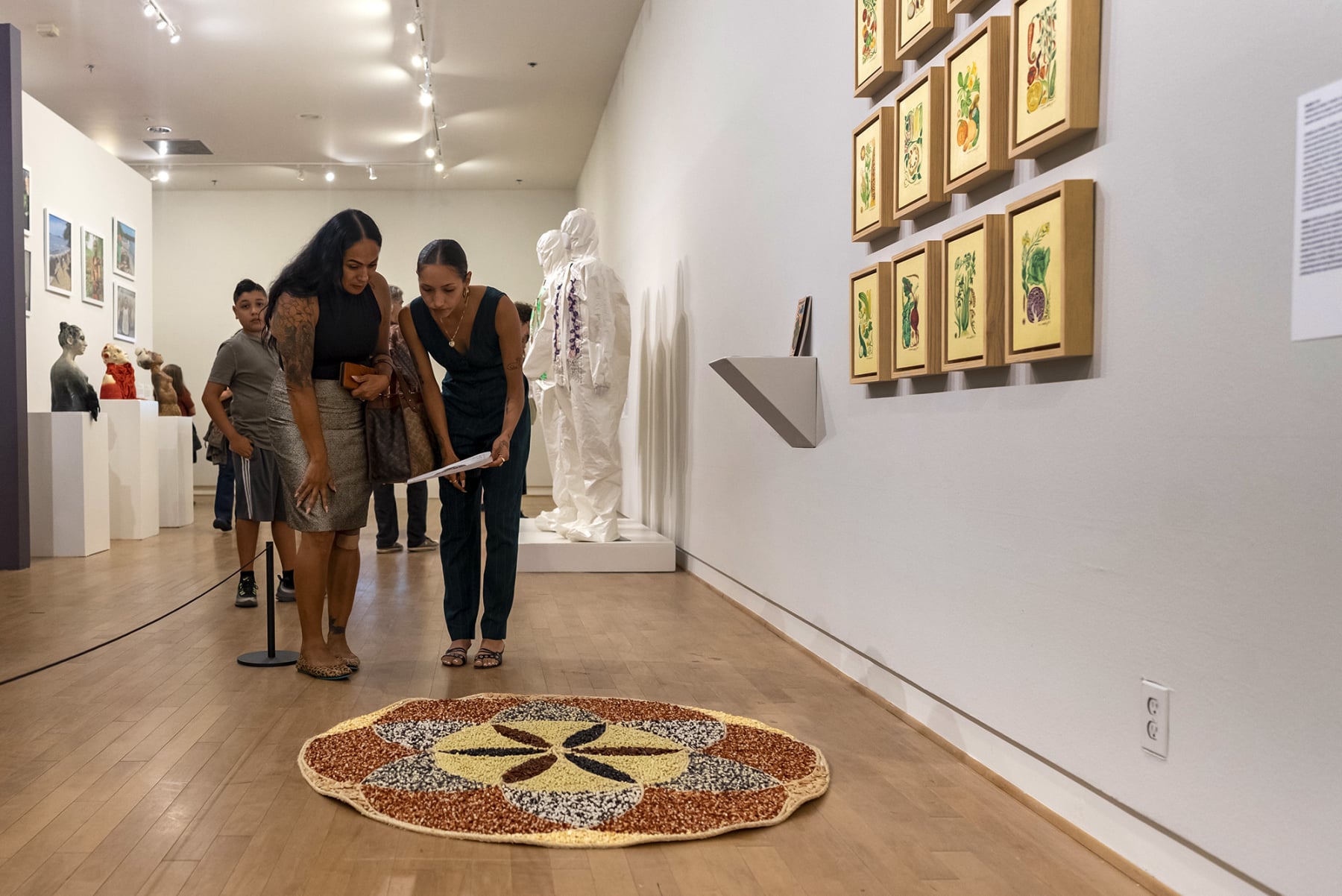
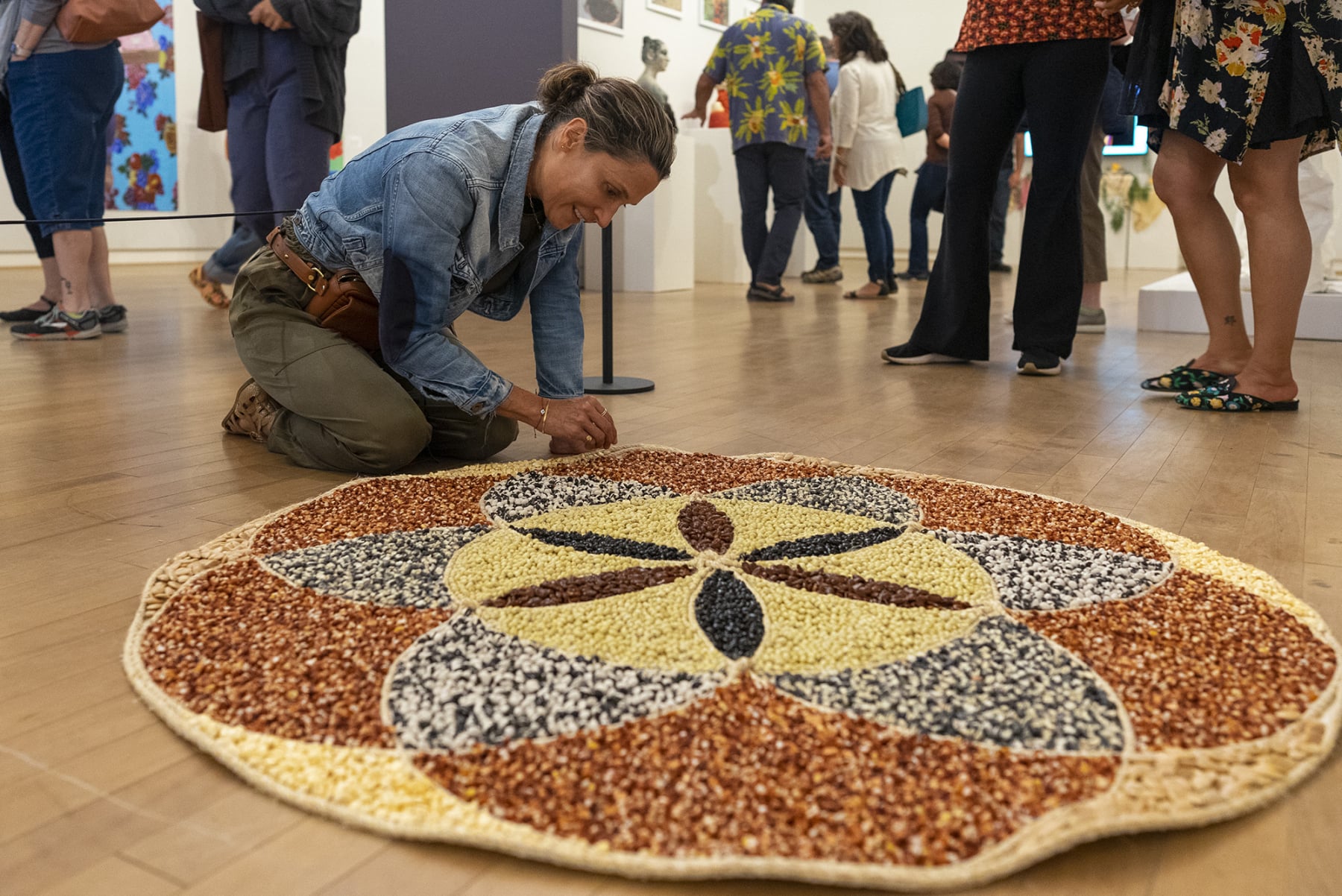
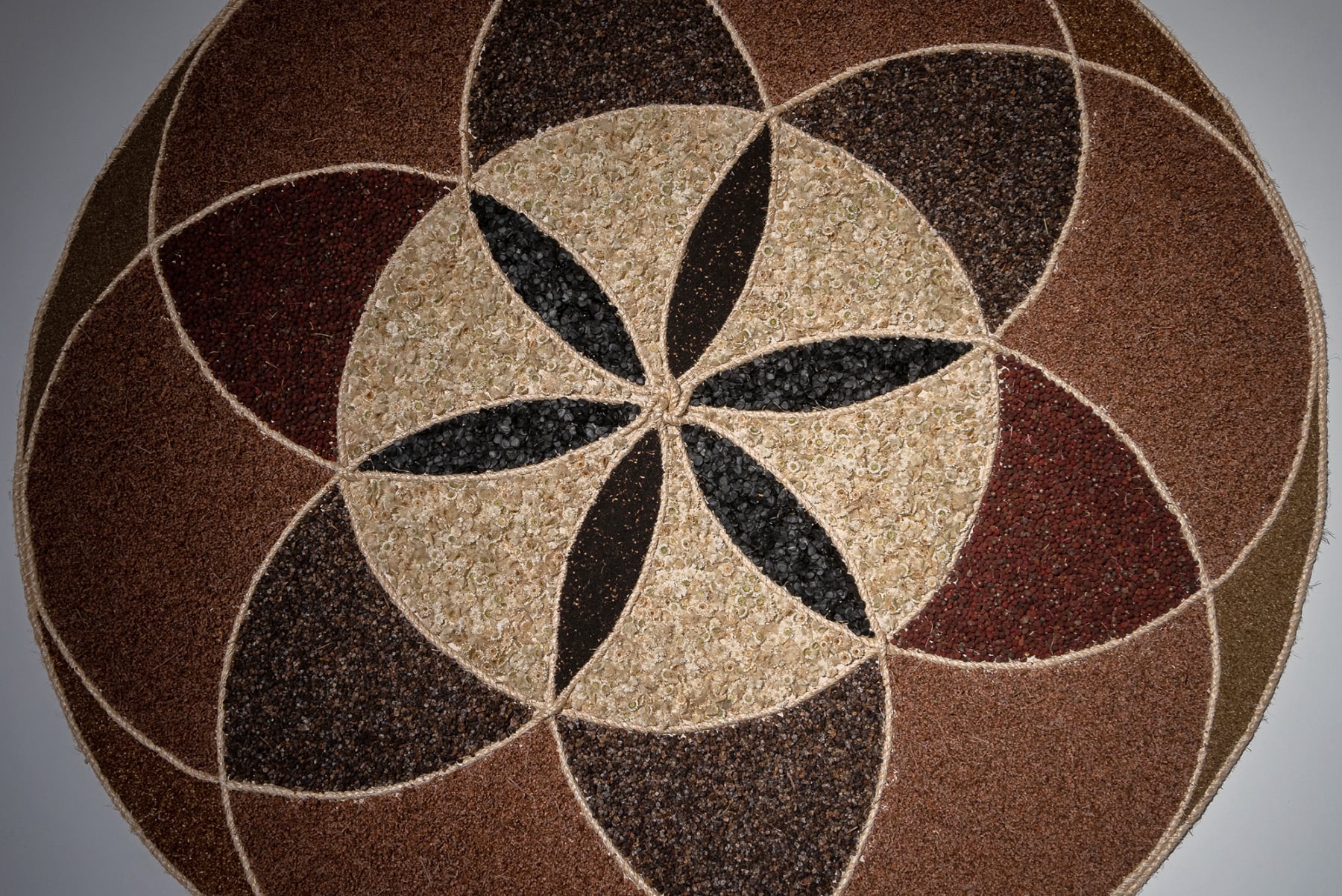
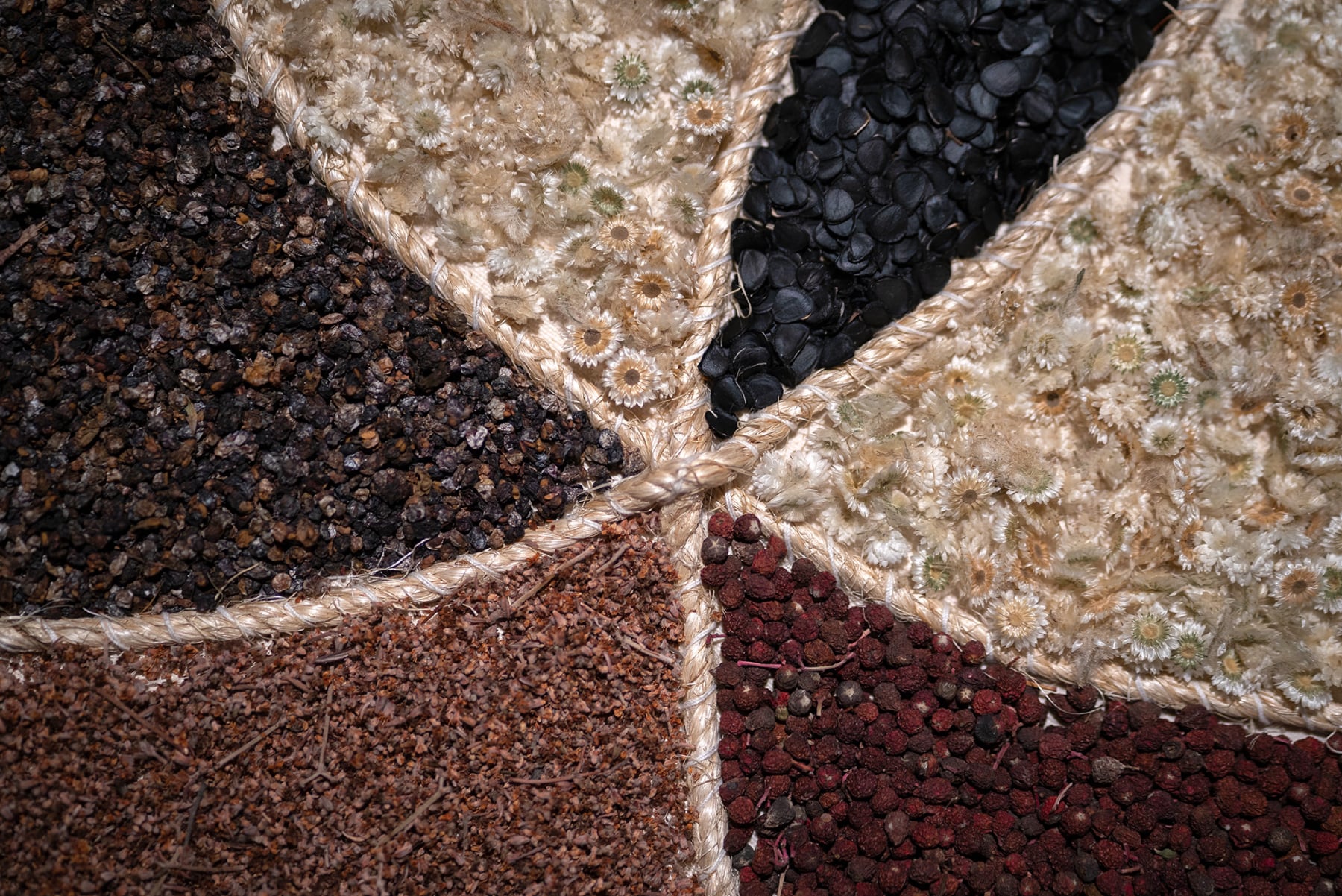
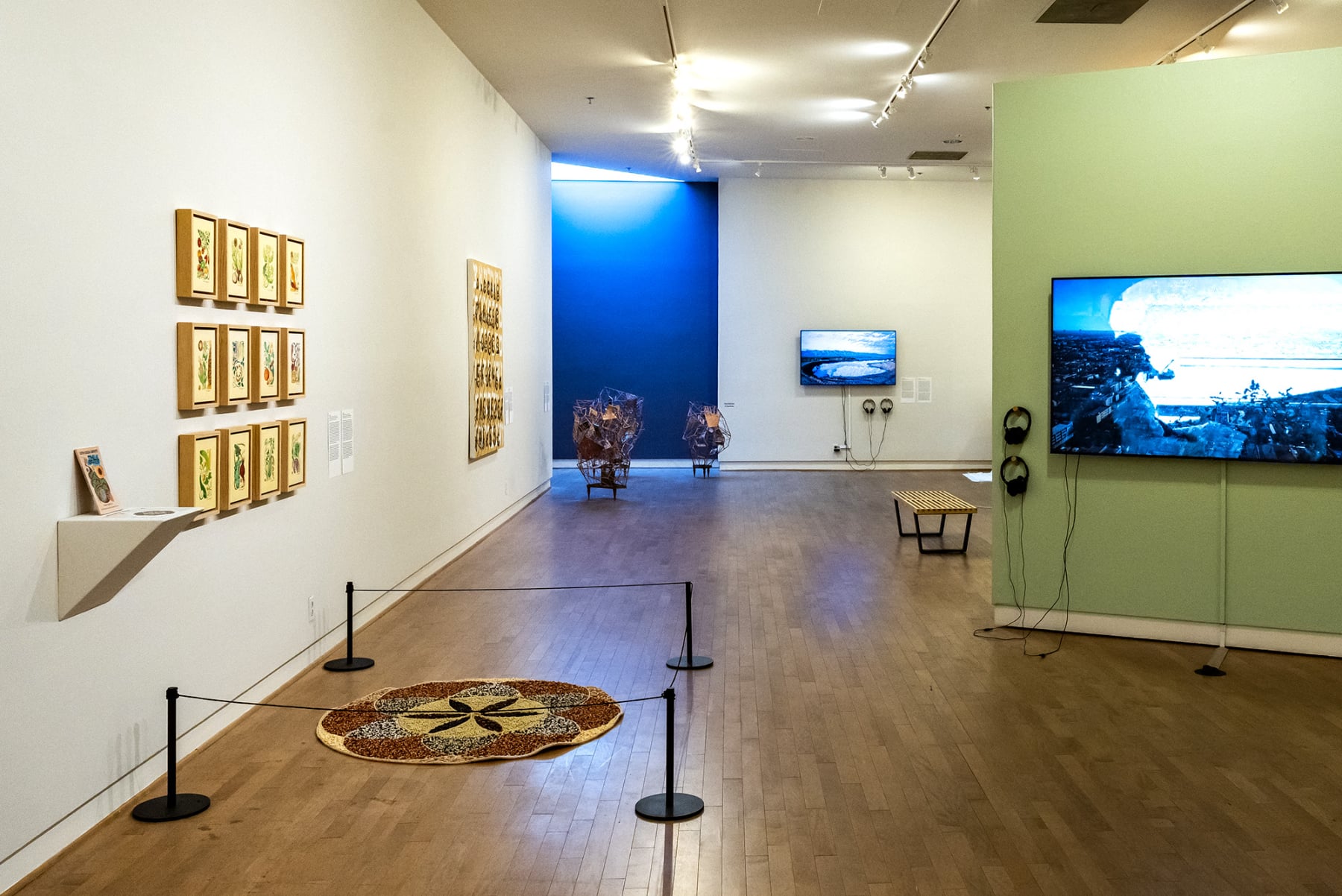
Artwork from Seeds for Everyone was included in two iterations of the exhibition Land of Milk & Honey, a traveling multidisciplinary arts and culture program of the MexiCali Biennial that focused on concepts of agriculture in the regions of California and Mexico. In addition to showing 12 original watercolors of commonly cultivated crops from the book, Emily collaborated with organizations in the specific locales where the nomadic MexiCali Biennial exhibited in order to source seeds for an ephemeral floor installation. The seeds colored an ancient geometric "seed of life" design of interlocking circles, honoring the diverse beauty of regionally adapted seed varieties while simultaneously uplifting the work of local seed savers. Visitors to the exhibitions could learn more about the specific seed varieties and the projects that steward them via a map that Emily designed. At the completion of each exhibition, the seeds were returned to the lending organizations so they could continue to be planted in their local communities. For the first iteration of the mandala, Emily worked with corn, bean and squash seeds, the trinity of crops representative of the Three Sisters Garden, which she borrowed from Pie Ranch and The Demeter Seed Library at UC Santa Cruz. For the second exhibition, Emily used seeds of native California flora, partnering with Dr. Arlee Montalvo PhD, Plant Restoration Ecologist and President of the Riverside-San Bernardino Chapter of the California Native Plant Society and Ernesto Alvarado, Native Plant Nursery Coordinator at the Riverside-Corona Resource Conservation District.

Land of Milk & Honey was curated and produced by the MexiCali Biennial and on view at:
The Cheech Marin Center for Chicano Art and Culture of the Riverside Art Museum, from February 25 – May 28, 2023.
The Santa Cruz Museum of Art & History, from September 1 - December 31, 2022. 

Exhibition photos by Daris Jasper, courtesy of the Santa Cruz Museum of Art & History, and Aaron Echols, board member of the Riverside-San Bernardino Chapter of the California Native Plant Society.

Documentation of Emily C-D installing Seed of Life: La Milpa at the Santa Cruz Museum of Art and History as a part of the MexiCali Biennial exhibit Land of Milk and Honey, 2022. Cotton canvas, agave fiber rope sewed with cotton thread, and donated corn, bean and squash seeds, 4' diameter. Video by the artist.

Grow - Harvest - Share: Seeds for Everyone seedsaving manual by Somos Semilla with art by Emily C-D

Grow-Harvest-Share: Seeds for Everyone book by Somos Semilla with art by Emily C-D.

To learn more about Seeds for Everyone in the MexiCali Biennial, check out the article "Seed of Life" that Emily had published in the SeedBroadcast agri-Culture Journal #19.

Semillas para Todxs es el título del manual de conservación de semillas creado por Somos Semilla biblioteca de semillas para difundir información sobre la práctica ancestral de producción, propagación y conservación de semillas. El texto fue escrito por la bióloga vegetal Sole Saburido y la agroecóloga Jenn Ungemach, con ilustraciones y diseño de Emily C-D. Antes de su publicación en 2017, existía una gran necesidad de materiales completos de conservación de semillas en español, con explicaciones fáciles de entender y seguir, e ilustraciones a todo color tanto didácticas como atractivas. Las acuarelas botánicas de Emily, que rápidamente se hicieron muy conocidas entre la comunidad de guardianes de semillas en México, se referenciaron meticulosamente con plantas vivas y demuestran la diversidad de variedades de cada cultivo. Las pinturas ilustran el ciclo completo de cada planta, de semilla a semilla.

El arte de Semillas para Todxs formó parte de dos ediciones de la exposición La Tierra que mana Leche y Miel, un programa itinerante multidisciplinario de arte y cultura de la Bienal de MexiCali, enfocado en conceptos de agricultura en las regiones de California y México. Además de exponer las 12 acuarelas originales del libro de cultivos comunes en las Américas, Emily colaboró ​​con organizaciones de las localidades donde se exhibió la Bienal de MexiCali, para que le prestaran semillas que formaron parte de una instalación efímera en el suelo. Las semillas llenaron un antiguo diseño geométrico de círculos entrelazados llamado "la semilla de la vida", honrando así la belleza diversa de las semillas adaptadas a la región, así como el trabajo de las personas que las cuidan y siembran. Lxs visitantes de las exposiciones pudieron aprender más sobre las variedades de semillas y sus guardianes a través de un mapa diseñado por Emily. Al finalizar cada exposición, las semillas se devolvieron a las organizaciones que las prestaron para que pudieran seguir sembrándose en sus comunidades. Para la primera versión del mandala, Emily trabajó con semillas de la milpa (maíz, frijol y calabaza) que fueron prestadas por Pie Ranch y la Biblioteca de Semillas Demeter de la Universidad de California en Santa Cruz. Para la segunda exhibición, Emily utilizó semillas de flora nativa de California, en colaboración con la Dra. Arlee Montalvo, PhD, ecóloga de restauración de plantas y presidenta de la Sección Riverside-San Bernardino de la Sociedad de Plantas Nativas de California, y Ernesto Alvarado, coordinador del Vivero de Plantas Nativas del Distrito de Conservación de Recursos de Riverside-Corona.

La Tierra que mana Leche y Miel fue curada y producida por la Bienal MexiCali y se exhibió en:
El Centro Cheech Marin de Arte y Cultura Chicanx del Museo de Arte de Riverside, del 25 de febrero al 28 de mayo de 2023.
El Museo de Arte e Historia de Santa Cruz, del 1 de septiembre al 31 de diciembre de 2022.

All Work © 2025 Emily C-D